Shine Without Compromise
Start Simple, Clean Smarter
Essential pantry standbys
White vinegar dissolves mineral scale with gentle acidity, baking soda lifts grime as a mild abrasive, and castile soap breaks surface tension so dirt lets go. Keep hydrogen peroxide separate for disinfecting, label strengths clearly, and remember: never mix acids, peroxides, or bleach, ever, under any circumstance.
Tools that last and refill
Choose glass spray bottles with silicone sleeves, sturdy flip-top jars for powders, and a steel bucket for mopping. Fit reusable microfiber cloths, old cotton tees, and a measured pump for concentrates. Replace flimsy funnels with a steel set, minimizing spills, frustration, and single-use plastic every busy week.
Labeling and safety rituals
Date every batch, list ingredients and dilution, and add precautions like keep away from marble or test on inconspicuous spots. Store acids and alkalis apart, ventilate while spraying, wear gloves if skin is sensitive, and keep curiosity-driven kids engaged but safely out of reach.
Kitchen Shine, Zero Headache
Bathroom Fresh, Breath Easy
Refill Rituals That Reduce Waste
Design a no-excuses station
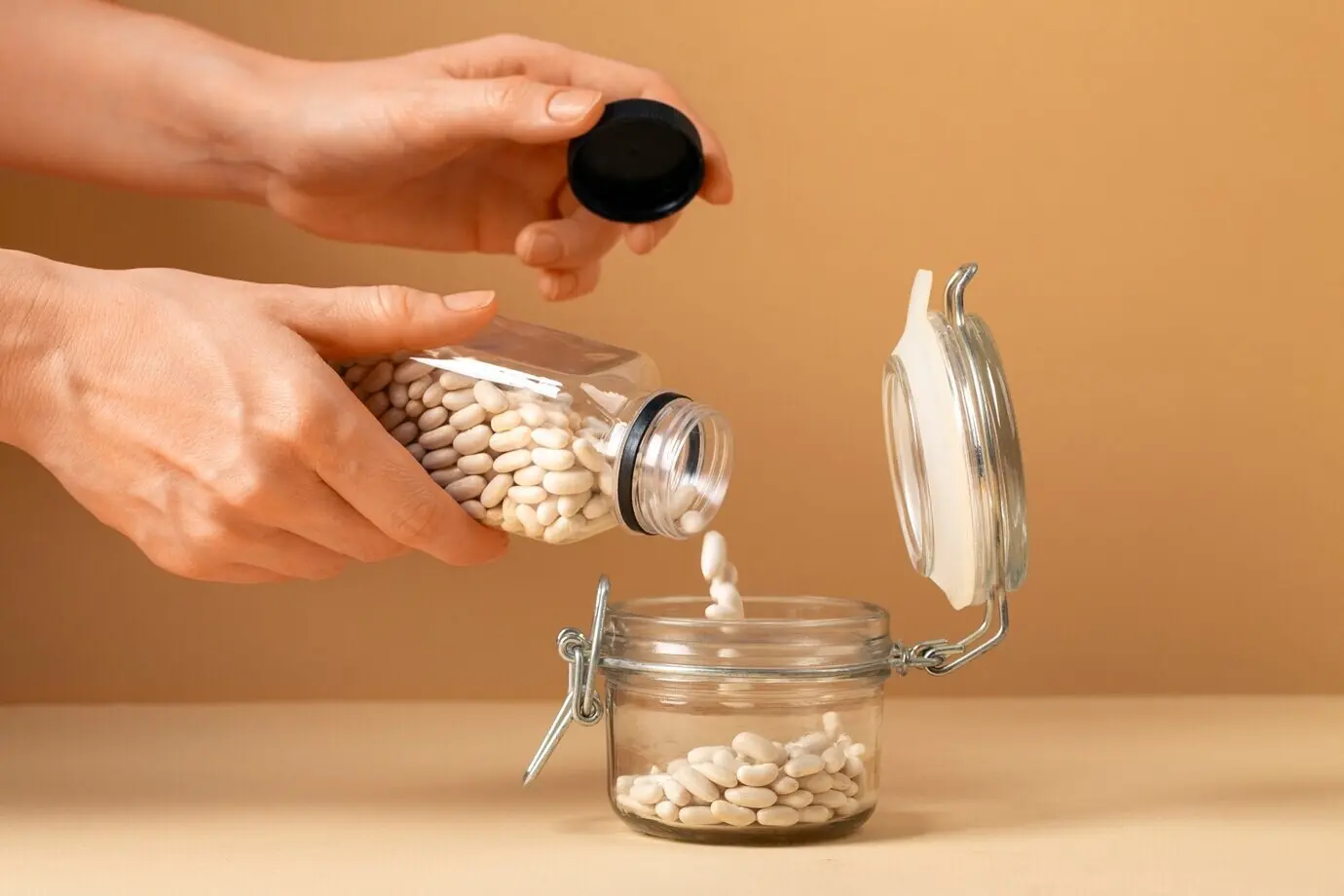
Choose a shelf near the sink with a stable tray, lined cloth, and clear jars of powders. Keep a small funnel, measuring spoons, permanent marker, and spare sprayers within reach. Visual cues reduce friction, so refilling feels quick, rewarding, and almost automatic on busy evenings.
Batch concentrate smartly
Mix a week’s worth of all-purpose concentrate in an amber bottle, label dilution ratios, and stash in a dark cabinet. Top off spray bottles with water as needed. Consistency keeps formulas performing, prevents over-scenting, and transforms refill day from chore into a calm, precise ritual.
Track usage and celebrate wins
Add a tiny dot to your calendar when you refill, and tally plastic avoided each month. Take a photo of your tidy station and share it. Visible progress motivates family members, invites accountability, and turns eco-intentions into durable habits that withstand schedules, seasons, and setbacks.
Laundry That Loves Skin
01
Powder that performs
Blend washing soda, borax or sodium citrate, and grated fragrance-free soap or powdered castile. Start small, two tablespoons per load, and adjust for hardness. Pre-dissolve in cold water to avoid residue. For white towels, add oxygen bleach occasionally and longer soaks; never combine with chlorine products.
02
Stain strategy that respects fabric
Treat fresh stains with cool water and mild soap first, then step up to oxygen bleach paste for colorfast items. Oils respond to a tiny drop of dish soap. Patience beats scrubbing; fibers survive and stains release when agitation and time work together, quietly, predictably.
03
Softness without synthetic scent
Skip fabric softeners that coat fibers. Add a quarter cup of distilled vinegar to the rinse for mineral-heavy water, or tumble with wool dryer balls to reduce static. Line-dry whenever possible; sunlight brightens naturally and leaves laundry smelling like weather instead of bottled fragrance.
A day the stovetop fought back
Invite your household into the process
Join our monthly refill check-in
Habits, Stories, and Shared Wins

All Rights Reserved.